GFI Roundtable: Trust by Design: AI, Digital Assets & the Next Financial System

Date: 23 March 2026
Location: Murdoch University, Perth, Australia
Format: Closed-door roundtable, conducted under the Chatham House Rule
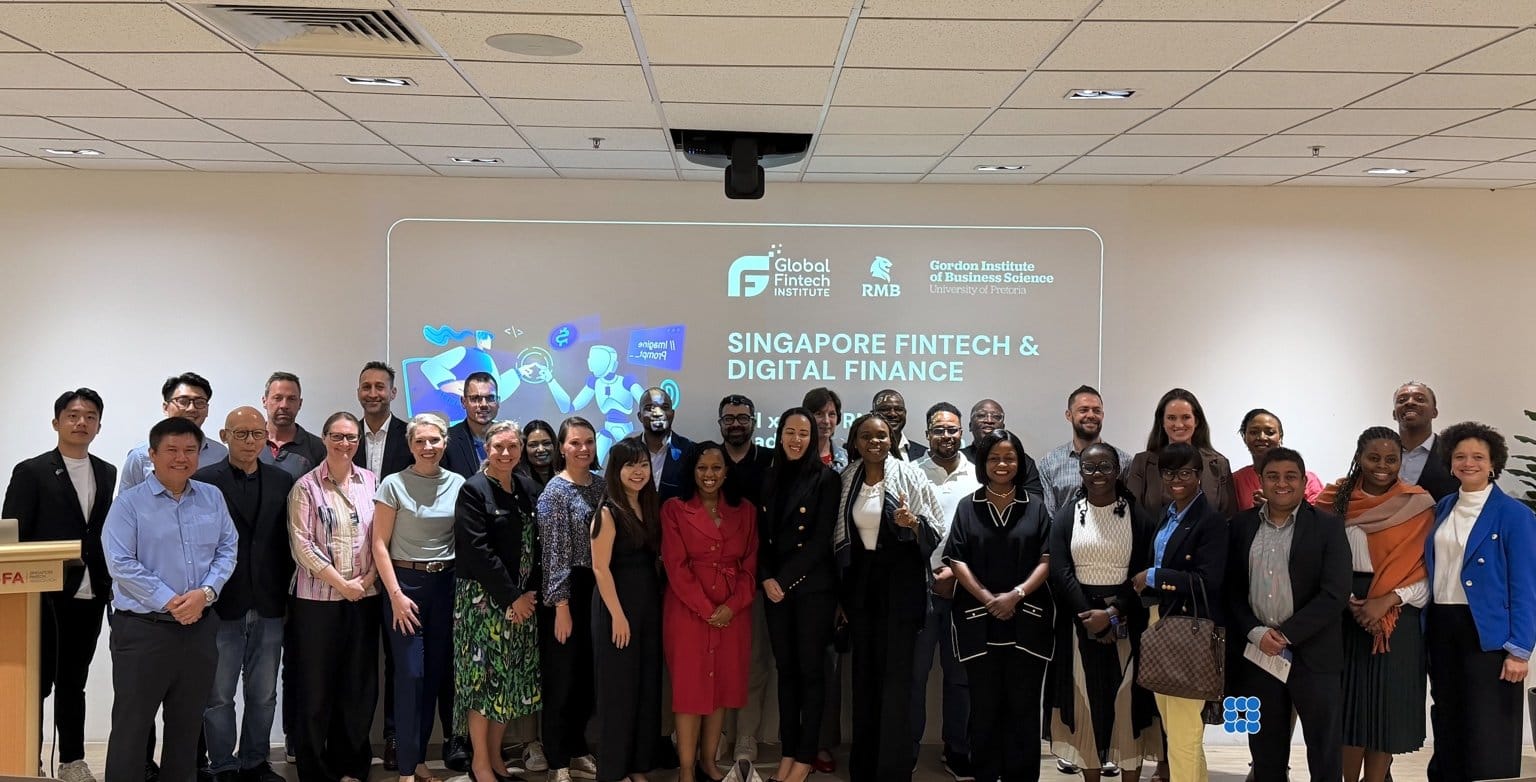
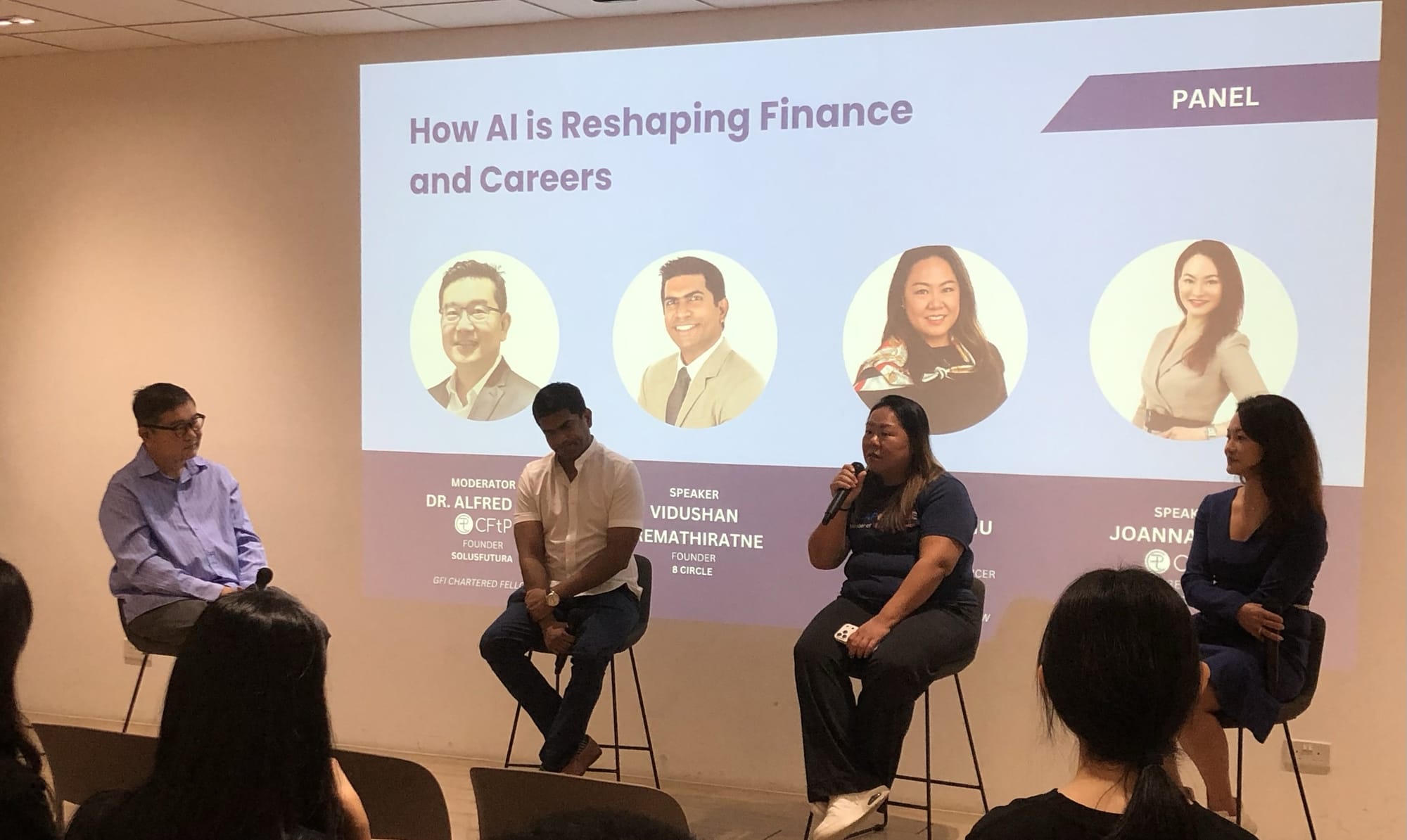
The Global Fintech Institute, in partnership with Murdoch University, convened a select group of industry leaders, legal experts, technology practitioners, and academics in Perth for a closed-door roundtable on three interconnected challenges shaping the future of financial services: the governance of agentic AI, the trust infrastructure underpinning digital asset custody, and the regulatory conditions required for tokenized capital markets to achieve scale.
Held at Murdoch University as part of the Black Swan Summit Perth programme, the session brought together participants from global exchanges, digital asset custodians, law firms, banks, AI research institutes, and universities for a candid dialogue on how governance, trust, and education must evolve to keep pace with the speed of technological change.
Key themes explored
Agentic AI Governance. The session examined how the shift from experimental to operational AI is outpacing governance frameworks. Participants discussed the governance gap (where functional capability represents only a fraction of the challenge), the need for personal accountability through professional licensing, and the case for treating AI with the seriousness of nuclear non-proliferation given its potential as a cognitive threat.
Digital Asset Infrastructure and Custody. The discussion explored multi-layer security architecture, zero-trust design, and the convergence of APAC regulators on cold storage requirements (90 to 98% of assets). AI-enabled social engineering was identified as the fastest-growing threat vector, with case studies illustrating the escalating sophistication of supply chain attacks and deepfake-driven compromises.
Tokenization and Regulatory Clarity. Regulatory clarity, cross-border sandboxes, and harmonised asset taxonomies were identified as the critical enablers for moving tokenized assets from pilot to production. The case was made for a global AI governance framework analogous to Basel standards or international accounting standards.
Industry-Academic Collaboration. A working session examined how FinTech education must evolve, from data analytics and technical competence to ethical reasoning, AI agent management, and the human skills that AI cannot replicate. The co-designed FinTech major between GFI and Murdoch University was highlighted as a model for bridging industry and academia.
Recommendations
1. Establish AI governance frameworks grounded in professional accountability before regulation arrives.
2. Mandate operational custody standards including multi-layer security, cold storage minimums, and multi-signature governance.
3. Adopt broker-dealer models for cross-border digital asset supervision that pair global licences with local accountability.
4. Accelerate regulatory clarity for tokenized assets through cross-border sandboxes and phased licensing.
5. Pursue a global institutional framework for AI governance analogous to Basel or international accounting standards.
6. Co-design FinTech curricula across industry, academia, and professional bodies, embedding AI agent management and ethical reasoning.
Report
The full post-session synthesis, produced under the Chatham House Rule with all discussion points presented without attribution, is available to GFI members on the GFI portal.
[Access the Full Insights Report on GFI Portal]
About the GFI Roundtable Series
GFI Roundtables are closed-door, invitation-only sessions that bring together senior industry practitioners, policymakers, regulators, legal experts, and academics for candid dialogue on the most pressing challenges in FinTech and digital finance. Sessions are conducted under the Chatham House Rule to encourage open and frank discussion.
For enquiries about future GFI Roundtables or to express interest in participation, please contact [email protected].